Category 1 vs 2 vs 3 Water Damage
What do Category 1, 2, and 3 water damage mean? A plain-language guide to clean, gray, and black water, how categories change, and why they affect cleanup.
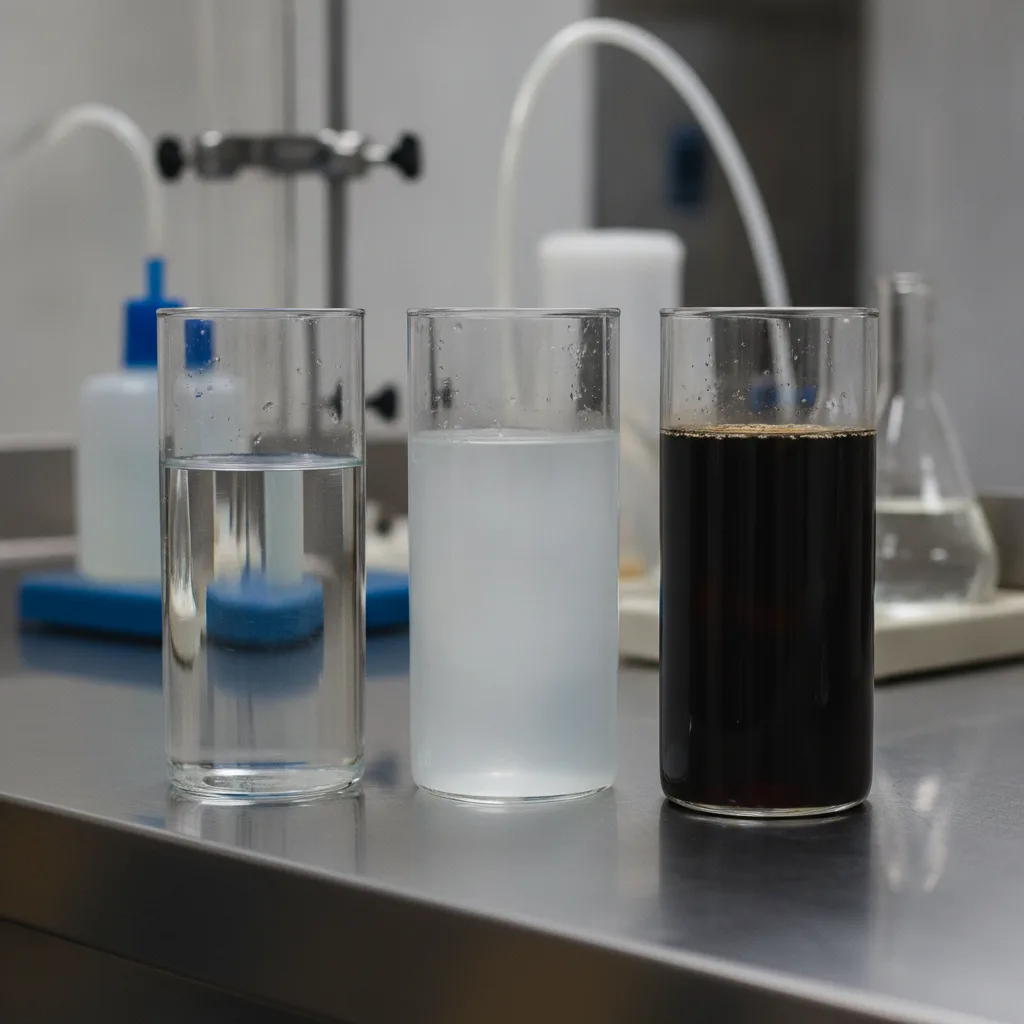
When a restoration technician looks at water damage, one of the first questions is not how much water there is, but what kind. The water restoration industry sorts water into three categories based on how contaminated it is. That category shapes almost every decision afterward: what protective steps the crew takes, which materials can be dried and kept, which have to be removed, and how long the job takes.
The framework most restorers follow comes from the IICRC S500 standard for professional water damage restoration. You do not need to memorize it, but knowing the basics helps you understand why a technician recommends what they do. This explainer is written for homeowners and property managers across Central Kentucky.
Category 1: Clean Water
Category 1 water comes from a sanitary source and does not pose a substantial risk at the moment it is released. Common examples include:
- A broken supply line to a sink, toilet, or ice maker
- A burst pipe carrying fresh water
- An overflowing sink or tub with no contaminants added
- Melting ice or snow that has not touched soil or other contaminants
Because the water starts clean, Category 1 losses offer the best chance of drying materials in place. Carpet can sometimes be extracted and dried, and drywall may be saved if it has not been saturated for long. Speed matters, though, because clean water does not stay clean. See Burst Pipe Water Damage Restoration for a common Category 1 scenario.
Category 2: Gray Water
Category 2 water contains a significant level of contamination and could cause discomfort or illness if people are exposed to it or swallow it. Typical sources include:
- Dishwasher or washing machine discharge
- A toilet overflow with urine but no feces
- Some sump pump failures, depending on what the water picked up
- Water that started as Category 1 but sat long enough to degrade
With gray water, more caution is required. Carpet pad is typically removed, and porous materials that were soaked may need to come out. Surfaces are cleaned and treated before drying.
Category 3: Black Water
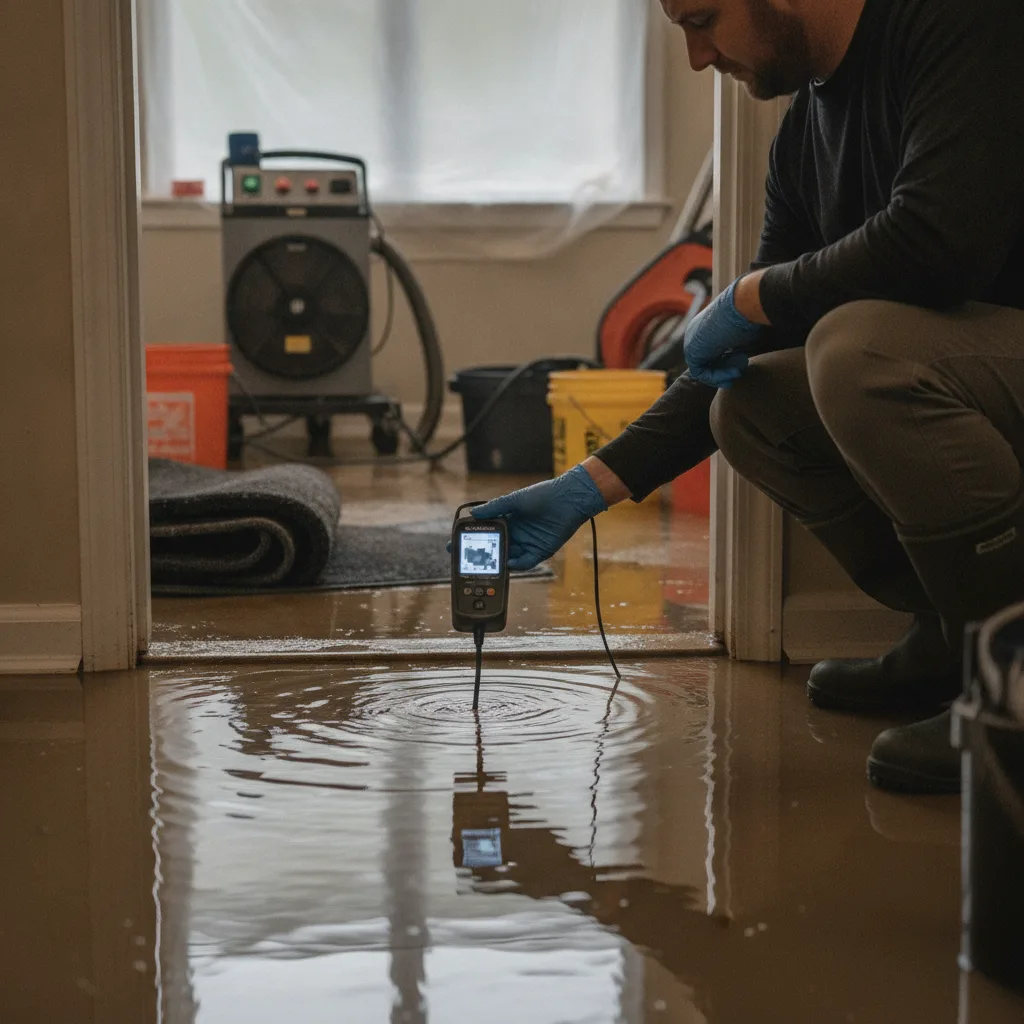
Category 3 water is grossly contaminated and may carry pathogens, chemicals, or other harmful substances. Examples include:
- Sewage backups
- Toilet overflows containing feces
- Rising floodwater from rivers, creeks, or surface runoff
- Wind-driven rain or groundwater that has picked up soil and debris
- Any water that has sat long enough to support significant microbial growth
Category 3 losses require the most protective approach. Porous materials such as carpet, pad, upholstered furniture, insulation, and affected drywall are generally removed and discarded. The remaining structure is cleaned and treated before drying begins. Occupants should stay out of affected areas until the work is complete. Flood Busterz handles sewage cleanup and flood cleanup for these situations.
Can Category 1 Water Become Category 2 or 3?
Yes, and it happens more often than people expect. Water that starts clean begins to pick up contaminants as it soaks through carpet, flooring, and building materials. Time and warmth speed that process. A supply-line leak that is caught within hours may stay Category 1, but the same water sitting for a day or two, especially in a warm or humid space, can degrade to Category 2 or even Category 3.
This is one of the strongest reasons to start extraction and drying quickly. It is not just about how much gets wet; it is about keeping the loss in the category where more of your home can be saved. For immediate steps, see What to Do in the First Hour After Water Damage.
Categories Are Not the Same as Classes
You may also hear a technician mention a water damage “class.” Categories describe contamination. Classes describe how much water is present and how hard the space will be to dry, based on the materials affected and how far the water spread. A small clean-water leak into a carpeted room and a large clean-water leak that soaked walls and subfloor are both Category 1, but they are very different drying jobs.
Why Category Changes Cleanup Cost and Material Removal
Category affects three major parts of the job:
- What gets removed. Higher categories mean more porous materials have to come out rather than be dried in place.
- What protective steps are needed. Contaminated water calls for containment, protective equipment, and cleaning and treatment of the structure before drying.
- How long the job runs. Extra removal, cleaning, and later rebuild all add time.
For more on how these factors affect pricing, see Water Damage Restoration Cost Guide (Central Kentucky). An on-site inspection is the only reliable way to confirm the category and scope.
How Categories Apply in Central Kentucky
Central Kentucky sees all three categories regularly. Winter freeze breaks tend to start as Category 1. Appliance leaks and some basement water fall into Category 2. Heavy spring storms, creek flooding, and sewer backups in low-lying areas are typically Category 3. Humid summers can also speed the degradation of standing water, which is another reason to call early.
When to Call a Professional
If you are not sure what category of water you are dealing with, treat it as contaminated until someone qualified evaluates it. Avoid contact with water from drains, sewer lines, or outdoor flooding. Flood Busterz is licensed and insured, available 24/7, and offers free estimates across Lexington, Richmond, Nicholasville, Georgetown, Winchester, Paris, Frankfort, Bardstown, and surrounding Central Kentucky communities. Call (859) 408-9611 and a technician can help you sort out next steps.
Questions people ask
Straight answers for Central Kentucky homeowners dealing with water damage.
What is Category 1 water damage?+
Category 1 water damage involves clean water from a sanitary source, such as a broken supply line, a burst fresh-water pipe, or an overflowing sink without contaminants. It does not pose a substantial risk when first released. Because the water starts clean, Category 1 losses offer the best chance of drying carpet, drywall, and other materials in place if extraction starts quickly.
What is Category 2 gray water?+
Category 2, often called gray water, contains significant contamination that could cause discomfort or illness if people are exposed to it. Common sources include dishwasher or washing machine discharge and toilet overflows with urine but no feces. Gray water losses usually require removing carpet pad and some porous materials, plus cleaning and treating surfaces before drying.
What is Category 3 black water?+
Category 3, or black water, is grossly contaminated and may contain pathogens, chemicals, or other harmful substances. Sewage backups, toilet overflows with feces, and rising floodwater from creeks or surface runoff are typical examples. Porous materials touched by black water are generally removed and discarded, and the structure is cleaned and treated before drying. Occupants should avoid contact.
Can Category 1 water become Category 2 or 3 if it sits?+
Yes. Clean water picks up contaminants as it moves through flooring and building materials, and time and warmth accelerate the change. Water left for a day or two, particularly in warm, humid conditions, can degrade to Category 2 or Category 3. That is why starting extraction and drying quickly helps keep more of your home salvageable.
Why does water category change cleanup cost and material removal?+
Higher categories require removing more porous materials instead of drying them in place, along with containment, protective equipment, and cleaning and treatment of the structure. That adds labor, disposal, and rebuild work. A clean-water loss caught early is usually a smaller project than a contaminated one of the same size. An inspection confirms the category and scope.
Water in your home right now?
Licensed & insured water damage restoration across Lexington, Richmond, Nicholasville, and Central Kentucky. Extraction, drying, and restoration, day or night.