
What to Do in the First Hour After Water Damage
Water damage at home? Follow this first-hour safety checklist: power, shutoff valves, photos for insurance, what to move, and when to call a restoration pro.
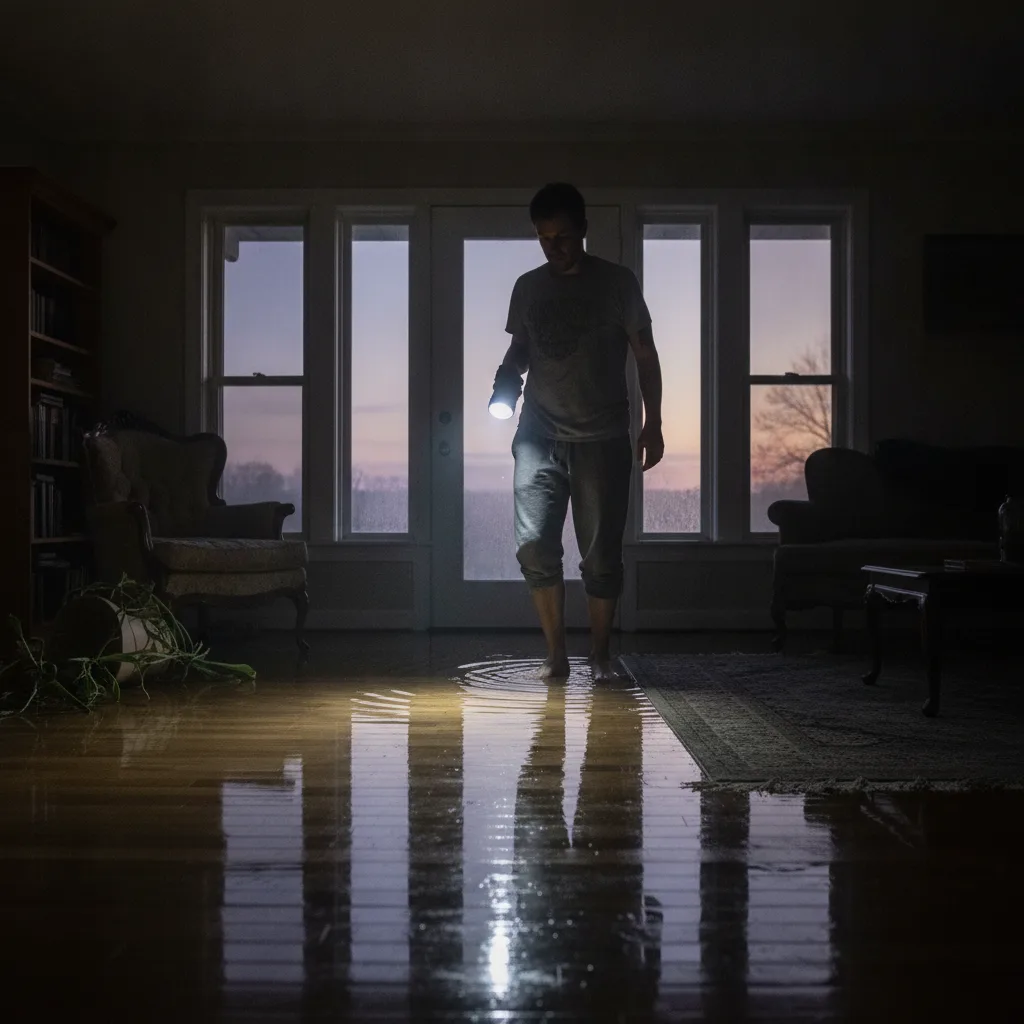
The first hour after you discover water damage sets the tone for everything that follows. Quick, calm decisions can keep a leak from spreading into walls and floors, protect your family from electrical and contamination hazards, and give your insurance claim a strong start. Panic, on the other hand, tends to lead to wading into unsafe water or throwing out evidence an adjuster would want to see.
This checklist is written for homeowners and property managers across Central Kentucky, from Lexington and Richmond to Nicholasville, Georgetown, Winchester, Paris, Frankfort, and Bardstown. Work through it in order, and skip any step you cannot do safely.
Step 1: Put Safety First
Before you think about towels or furniture, make sure the space is safe to enter.
- Electricity. If water is near outlets, power strips, appliances, extension cords, or your electrical panel, do not walk through it. If you can reach your breaker panel from a dry location, switch off power to the affected area. If the panel itself is in or near the water, stay out and call your utility or an electrician.
- Structural concerns. A sagging ceiling can hold a surprising amount of water. Keep people out from under any bulging or discolored ceiling.
- Contamination. Water from a sewer line, floor drain, toilet, or outdoor flooding should be treated as contaminated. Keep children and pets away and avoid skin contact.
- Slips and hidden hazards. Wet floors are slippery, and standing water can hide debris or gaps in flooring.
Step 2: Stop the Water Source
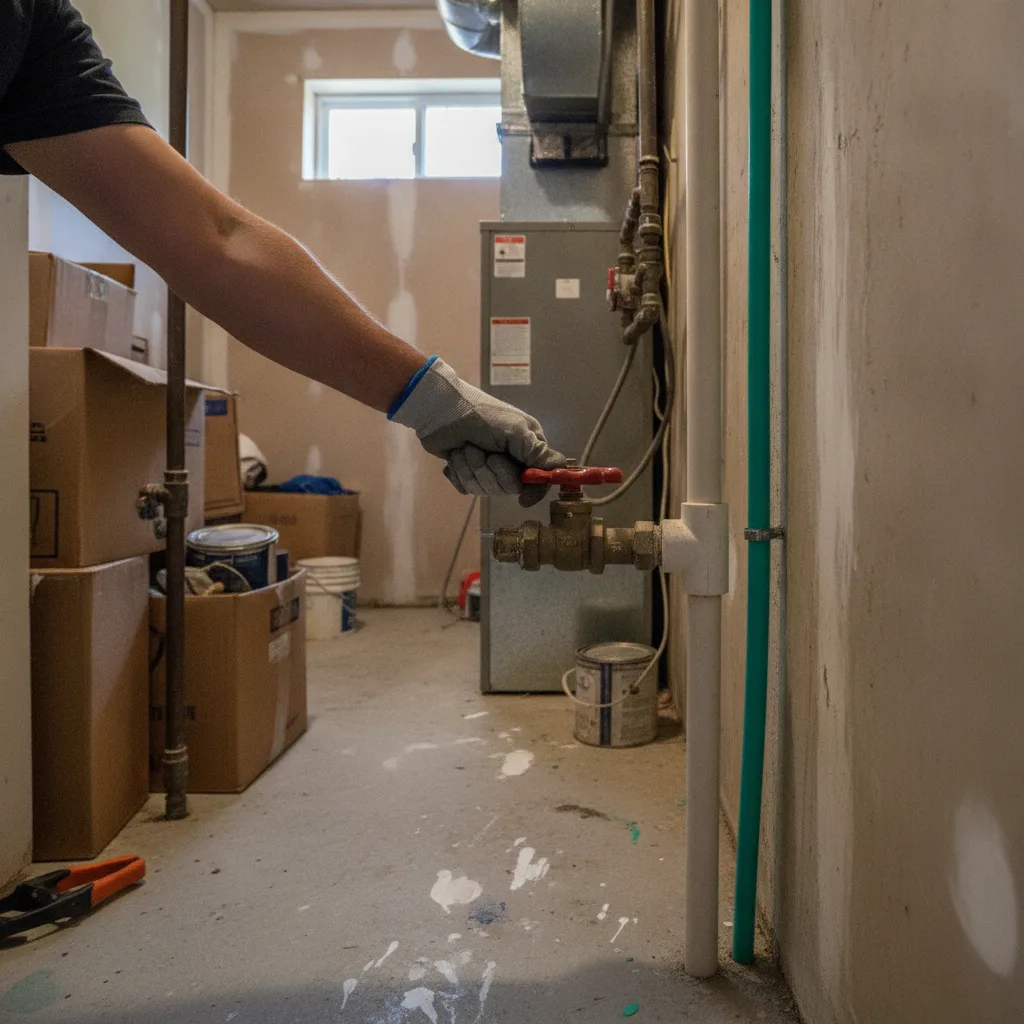
If the water is coming from your plumbing, close the main water shutoff. In many Central Kentucky homes, the main valve is in the basement or crawl space where the water line enters the house, in a utility room, or near the water heater. Some homes also have a shutoff at the meter near the street. If the source is a single fixture, such as a toilet or washing machine, its local supply valve may be enough.
If the water is coming from outside, such as heavy rain, rising surface water, or a failed sump pump, you may not be able to stop it. Focus on safety and getting help on the way. See Sump Pump Failure Flood Cleanup if that is your situation.
Step 3: Document Before You Clean
Insurance adjusters rely on what the damage looked like before cleanup. Spend a few minutes with your phone:
- Take wide photos of each affected room, then close-ups of damaged materials.
- Record a short video walking through the space, narrating what you see.
- Photograph the source, such as a broken pipe, failed hose, or backed-up drain.
- Capture water lines on walls, furniture legs, and boxes.
- Photograph damaged belongings before moving them.
Do not throw away damaged items yet unless they pose a hazard. Your adjuster may want to see them. For background on coverage, see Does Kentucky Homeowners Insurance Cover Water Damage?
Step 4: Protect What You Can
Once the area is safe:
- Move electronics, documents, photos, and valuables to a dry floor.
- Lift furniture off wet carpet, or place aluminum foil or plastic under the legs to prevent staining.
- Remove rugs from wet hardwood.
- Pull back draperies so they do not wick water.
- Open interior doors to help air circulate, if it is safe to do so.
Avoid using a household vacuum on water, and do not run ceiling fans or turn on lights in a room with a wet or sagging ceiling.
Step 5: Know What Not to Do
Some well-intended moves make things worse:
- Do not use a regular vacuum to pick up water.
- Do not walk through water that may be energized.
- Do not touch contaminated water without protection.
- Do not assume surfaces are dry because they look dry. Water often hides inside walls and under floors.
- Do not wait to see if it dries on its own. Materials that stay wet for a day or two are more likely to warp, delaminate, or develop odors and mold.
Step 6: Call for Professional Help
Mopping and towels work for a small spill on a hard surface that you caught right away. Call a restoration company when:
- Water has reached carpet, drywall, or the level below.
- You cannot find or stop the source.
- The water came from a sewer, drain, toilet, or outside.
- More than a small area is affected.
- You are unsure whether the space is electrically safe.
Professional crews bring extraction equipment, commercial dehumidifiers, air movers, and moisture meters that find water you cannot see. They also document the drying process, which helps with your claim. To understand why the source of the water matters so much, read Category 1 vs 2 vs 3 Water Damage Explained.
Why Central Kentucky Homes Need Quick Action
Our region brings a mix of risks: freeze breaks in winter, heavy rain in spring, and humid summers that slow natural drying. Basements and crawl spaces, common in local homes, collect water and hold moisture. Starting extraction and drying early is the best way to limit damage in these conditions.
Flood Busterz Is Available 24/7
Flood Busterz provides water extraction, flood cleanup, sewage cleanup, storm damage response, structural drying, and content restoration across Central Kentucky. We are licensed and insured, offer free estimates, and provide insurance assistance. If you are standing in your first hour right now, call (859) 408-9611 any time, day or night.
Questions people ask
Straight answers for Central Kentucky homeowners dealing with water damage.
Should I turn off electricity if water is near outlets?+
Yes, if you can reach the breaker panel from a dry location without touching water. Turn off power to the affected area. If the panel is in or near standing water, or you would have to walk through water to reach it, stay out of the space and call your utility or an electrician. Never touch electrical devices while standing in water.
Where is the main water shutoff usually located?+
In many homes the main shutoff is where the water line enters the house, often in the basement, crawl space, utility room, or near the water heater. Some homes also have a valve at the water meter near the street. Find and label your shutoff before an emergency so anyone in the household can close it quickly when a pipe bursts.
What photos should I take for insurance after water damage?+
Take wide shots of every affected room, close-ups of damaged materials, and a narrated video walkthrough. Photograph the source of the water, visible water lines on walls and furniture, and damaged belongings before you move them. Keep damaged items until your adjuster says otherwise. Good photos taken before cleanup help support your claim and reduce back-and-forth.
Is it safe to walk through standing water in my house?+
Often it is not. Standing water can be energized if it touches outlets, cords, or appliances, and water from drains, sewers, or outdoor flooding may be contaminated. It can also hide debris and slippery surfaces. Stay out until power to the area is off and you know the source. When in doubt, wait for a professional to assess the space.
When should I call a restoration company instead of mopping?+
Call a professional when water reaches carpet or drywall, spreads beyond a small area, travels to another floor, or comes from a sewer, drain, toilet, or outdoor source. Also call if you cannot stop the source or are unsure about electrical safety. Hidden moisture in walls and subfloors needs specialized equipment to find and dry properly.
Water in your home right now?
Licensed & insured water damage restoration across Lexington, Richmond, Nicholasville, and Central Kentucky. Extraction, drying, and restoration, day or night.