
Crawl Space Water Damage and Drying
Water in your crawl space? Learn why Central Kentucky crawl spaces collect moisture, signs of trouble, how pros extract and dry them, and when insulation goes.
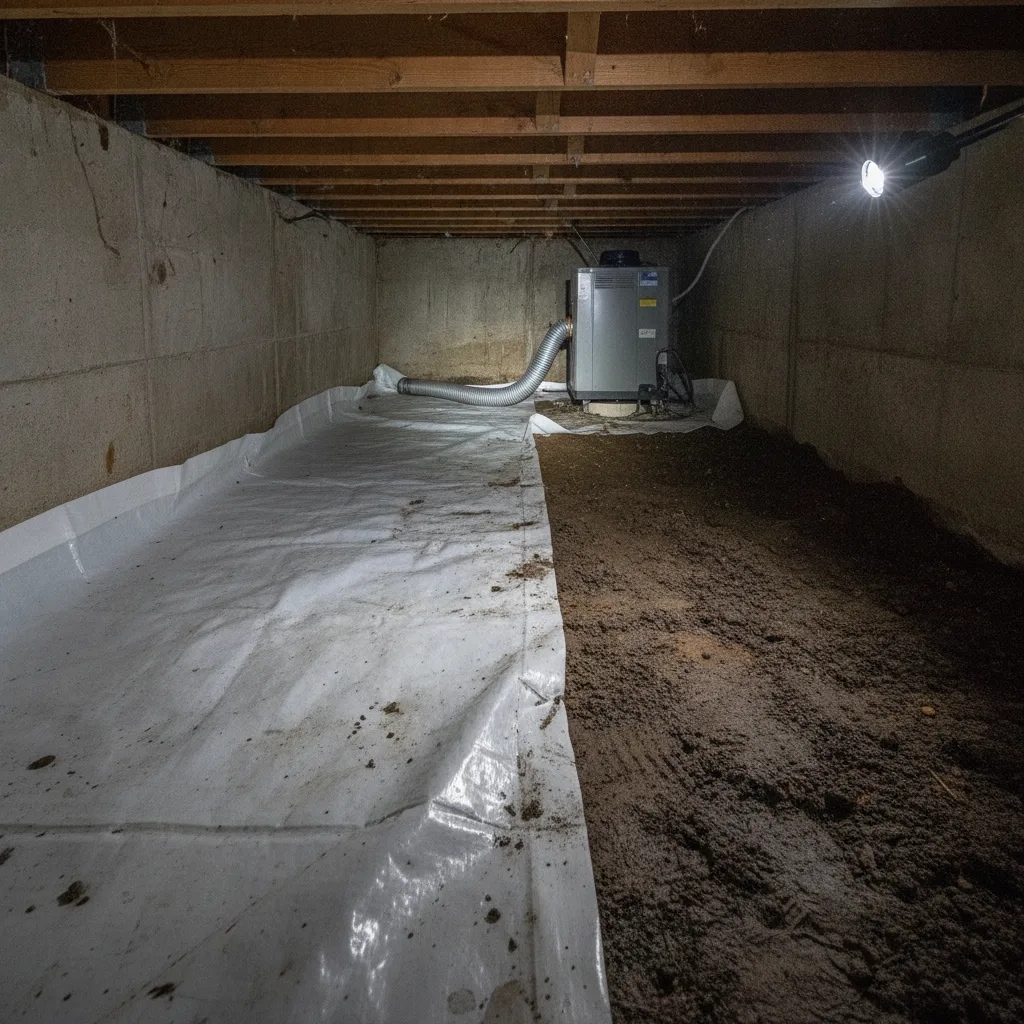
Crawl spaces are out of sight and easy to forget, which is exactly why water damage there can go unnoticed for a long time. Many homes in Central Kentucky are built over crawl spaces, and those spaces hold the plumbing, ductwork, insulation, and wood framing that support the floors you walk on. When water gets in and stays, the effects eventually show up upstairs as soft floors, musty odors, cupped hardwood, or high indoor humidity.
This guide explains why crawl spaces in our region collect moisture, the signs to watch for, how professional crawl space drying works, and when to call for help. It is written for homeowners and property managers across Lexington, Richmond, Nicholasville, Georgetown, Winchester, Paris, Frankfort, Bardstown, and surrounding Central Kentucky communities.
Why Central Kentucky Crawl Spaces Are Prone to Moisture
Several local conditions work against a dry crawl space:
- Heavy rain and saturated soil. Spring and early-summer storms can push groundwater and runoff into crawl spaces, especially where grading slopes toward the house or downspouts discharge near the foundation.
- Humid summers. Warm, moist outdoor air entering through vents can condense on cooler surfaces like ductwork, pipes, and the underside of the floor.
- Freeze-thaw cycles. Pipes running through crawl spaces are exposed to cold, and a winter freeze break can release a lot of water into a space no one is watching.
- Bare soil floors. Exposed earth releases moisture into the air continuously unless it is covered.
- Plumbing and HVAC leaks. Drain lines, supply lines, and condensate lines often run through the crawl space, so small leaks can go unnoticed.
Signs of Crawl Space Water Intrusion
You may not go into your crawl space often, so watch for clues from above:
- Musty or earthy odors in the house, especially near floor vents
- Floors that feel soft, bouncy, or uneven
- Hardwood that cups or gaps (see Hardwood Floor Water Damage: Salvage vs Replace)
- Higher indoor humidity or condensation on windows
- Increased insect activity
- Higher energy bills from wet insulation and ductwork
If you can safely look inside, check for standing water, wet or sagging insulation, water marks on foundation walls, condensation on ducts and pipes, and dark staining or growth on wood framing.
How Crawl Space Drying Differs From Living-Area Drying
Drying a crawl space is not the same as drying a living room:
- Access is tight. Crews work in confined spaces, often on their backs or stomachs, which affects equipment placement and time.
- Soil is a moisture source. Unlike a finished floor, a dirt floor keeps releasing moisture. Drying plans often account for that with vapor barriers or other controls.
- Air exchange is different. Vented crawl spaces pull in outside air, which may be humid. Drying usually works best with the space temporarily controlled so dehumidifiers can work effectively.
- Wood framing absorbs and holds water. Joists, beams, sill plates, and subfloor need to be monitored with moisture meters until they reach acceptable levels.
- Insulation often traps water. Wet fiberglass batts between floor joists hold moisture against the wood.
The Professional Crawl Space Drying Process
1. Inspection and safety check
Technicians identify the water source, assess electrical and structural safety, and determine the likely water category. Groundwater and runoff are often treated as contaminated. See Category 1 vs 2 vs 3 Water Damage Explained.
2. Water extraction
Standing water is pumped or extracted. In some homes, low spots need special attention so water does not pool again.
3. Removal of wet materials
Soaked insulation, damaged vapor barriers, and debris are removed so the framing and soil can dry.
4. Structural drying
Commercial dehumidifiers and air movers are placed to dry framing, subfloor, and the space itself. Readings are taken over several days to track progress.
5. Cleaning and treatment
Where contaminated water was involved, surfaces are cleaned and treated before or during drying.
6. Monitoring and documentation
Moisture readings are recorded until the wood framing reaches acceptable levels. This documentation supports insurance claims and confirms the space is truly dry.
Flood Busterz provides water extraction, structural drying, and flood cleanup for crawl spaces as well as basements and living areas.
When Should Crawl Space Insulation Be Removed?
Insulation between floor joists should generally come out when it is saturated, sagging, falling, contaminated, or showing staining or growth. Fiberglass that stays wet loses insulating value and holds water against the subfloor and joists, slowing drying and increasing the risk of decay. Once the framing is dry, insulation can be replaced.
Can Untreated Crawl Space Moisture Affect the Home?
Yes. Ongoing moisture can lead to wood decay in joists and subfloor, cupped or buckled flooring, musty odors drawn into the living space, rusted ductwork and fasteners, and conditions favorable for mold growth. Air from the crawl space can move upward into the house, so a wet crawl space is not just a problem below the floor.
Preventing Repeat Problems
After drying, the goal is to keep the space dry:
- Direct downspouts and grading away from the foundation.
- Repair plumbing leaks promptly.
- Insulate exposed pipes against freezing.
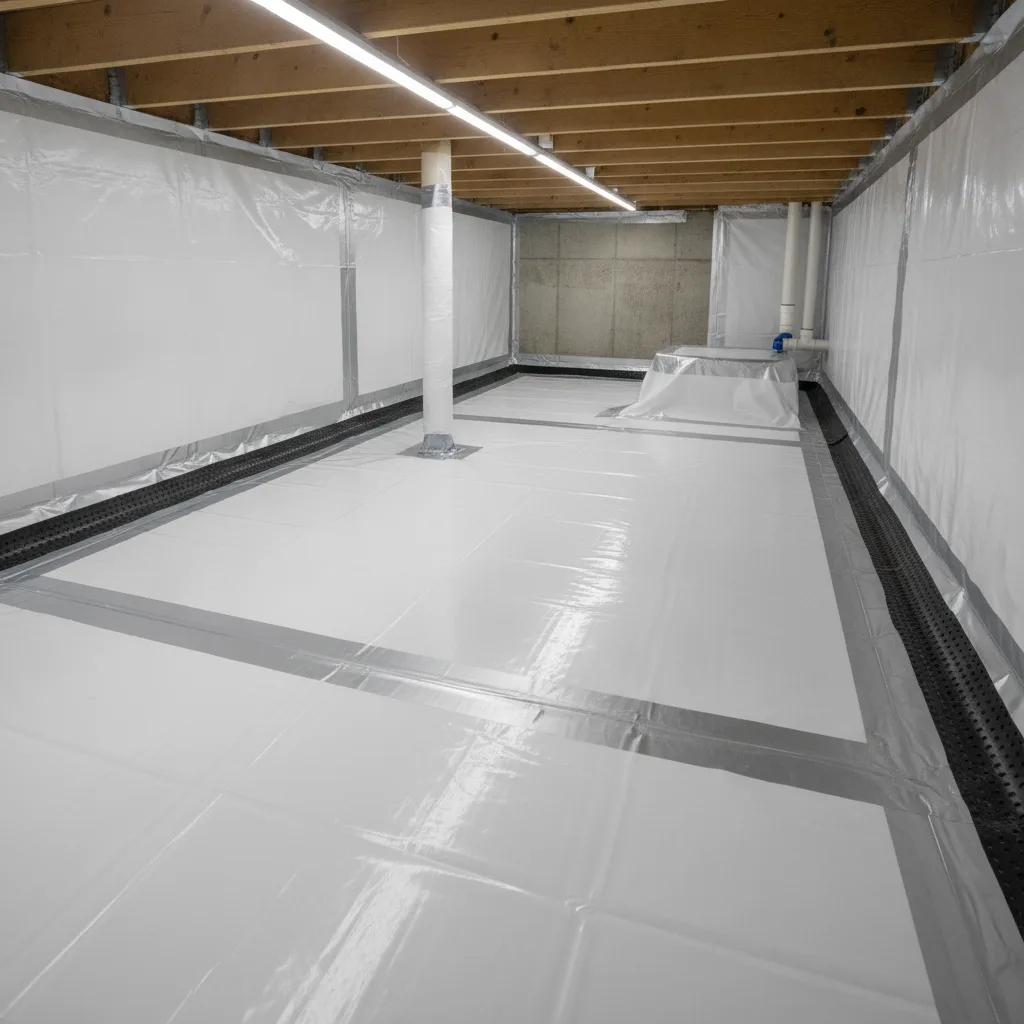
- Ask a qualified contractor about vapor barriers, drainage, or other moisture control options for your home.
When to Call Flood Busterz
If you see standing water in your crawl space, smell persistent mustiness, or notice soft or cupping floors, a professional inspection is a good next step. Flood Busterz is licensed and insured, available 24/7, offers free estimates, and provides insurance assistance across Central Kentucky. Call (859) 408-9611.
Questions people ask
Straight answers for Central Kentucky homeowners dealing with water damage.
Why are crawl spaces in Central Kentucky prone to moisture?+
Heavy spring rain can saturate soil and push water into crawl spaces, humid summer air can condense on cool pipes and ducts, and winter freeze-thaw cycles can break exposed pipes. Bare soil floors release moisture constantly, and plumbing and HVAC lines often run through the space. Together these conditions make crawl spaces a common place for hidden water damage.
What are signs of crawl space water intrusion?+
From inside the home, watch for musty odors, soft or uneven floors, cupping hardwood, high indoor humidity, and more insects. In the crawl space itself, look for standing water, wet or sagging insulation, water lines on foundation walls, condensation on ducts and pipes, and dark staining on wood framing. Any of these is worth a professional inspection.
How is crawl space structural drying different from living-area drying?+
Crawl spaces have tight access, exposed soil that keeps releasing moisture, and vents that can bring in humid outside air. Drying often involves removing wet insulation, controlling the space so dehumidifiers work efficiently, and monitoring wood framing with moisture meters over several days. Equipment choice and placement are adapted to the confined space.
When should crawl space insulation be removed after water damage?+
Insulation should generally be removed when it is saturated, sagging, falling down, contaminated, or showing staining or growth. Wet fiberglass holds moisture against joists and subfloor, slowing drying and raising the risk of decay. Once the framing reaches acceptable moisture levels, new insulation can be installed to restore energy performance.
Can untreated crawl space moisture lead to floor and indoor air issues?+
Yes. Persistent moisture can decay joists and subfloor, cause hardwood to cup or buckle, rust ductwork, and create conditions favorable for mold. Air from the crawl space often moves up into the living area, carrying musty odors with it. Addressing water and moisture below the floor helps protect both the structure and the comfort of the home.
Water in your home right now?
Licensed & insured water damage restoration across Lexington, Richmond, Nicholasville, and Central Kentucky. Extraction, drying, and restoration, day or night.