
Ceiling and Drywall Water Damage Repair
Water stain or sagging ceiling in Lexington or Central Kentucky? Learn why it happens, when drywall must come out, how hidden moisture is found, and next steps.
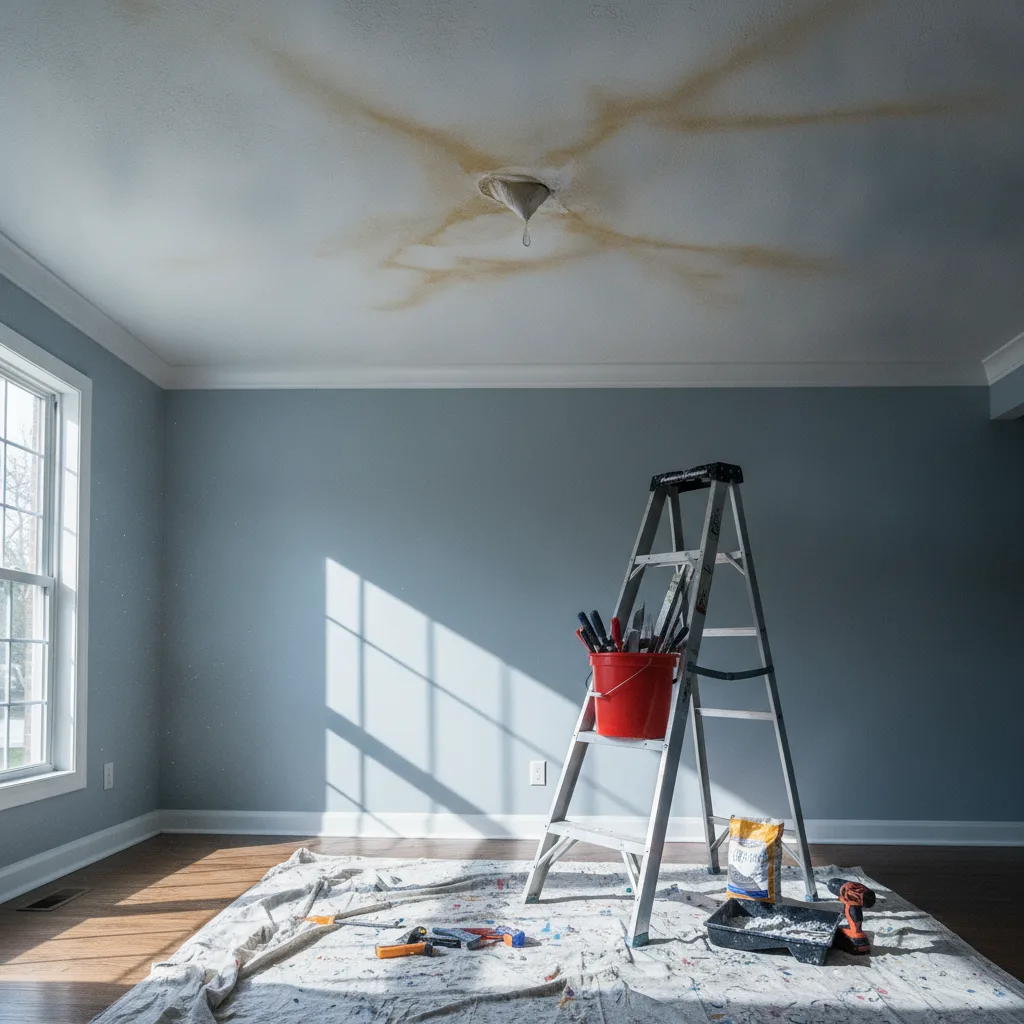
A brown ring on the ceiling, a bubble in the paint, or a section of drywall that suddenly sags is a sign that water has found its way somewhere it should not be. Ceiling and wall damage is easy to underestimate because what you see is usually only the edge of a larger wet area. Painting over a stain or waiting to see if it gets worse often leads to bigger repairs later.
This guide covers why ceiling stains appear, how restorers find hidden moisture, when drywall needs to be removed, and what the path from stain to finished repair looks like. It is written for homeowners and property managers in Lexington and across Central Kentucky, including Richmond, Nicholasville, Georgetown, Winchester, Paris, Frankfort, and Bardstown.
Common Causes of Ceiling and Drywall Water Damage
- Roof leaks. Storms, damaged shingles, flashing failures, and ice dams can let water into the attic, where it soaks insulation before reaching the ceiling.
- Plumbing leaks. Supply lines, drains, and fittings above a ceiling, such as an upstairs bathroom, can leak slowly or burst suddenly. See Burst Pipe Water Damage Restoration.
- Bathroom overflows. Tubs, toilets, and showers can leak through the floor to the room below.
- HVAC condensation. Clogged condensate lines and drain pans in attics can overflow.
- Appliance leaks. Upstairs laundry rooms and refrigerators with ice makers are frequent sources.
Why a Ceiling Stain Shows Up Days Later
Water does not always drop straight down. It runs along rafters, joists, pipes, and the top of drywall before soaking through at a low point. Attic insulation can absorb a lot of water and release it slowly. By the time a stain appears, water may have been present for hours or days, and the wet area above is usually larger than the stain itself. A stain can also reappear after a later rain if the original leak was never found.
Is Sagging Drywall a Safety Hazard?
Yes. Drywall loses strength when it absorbs water, and a sagging ceiling can be holding a significant amount of water. It can fall without warning. If you see a bulge:
- Keep everyone out of the area underneath.
- Do not poke it or try to drain it unless you are trained and prepared.
- Turn off power to ceiling lights and fans in that room if you can safely reach the breaker panel.
- Move furniture and belongings away if it is safe.
- Call a professional.
How Crews Find Hidden Moisture Above a Ceiling
Professional restorers use several tools to see what the eye cannot:
- Moisture meters measure moisture in drywall, framing, and other materials.
- Thermal imaging cameras show temperature differences that often point to wet areas, which are then confirmed with meters.
- Attic and cavity inspection checks insulation, framing, and the underside of the roof deck or floor above.
- Moisture mapping records where readings are elevated so the crew can plan removal and drying precisely.
This process helps avoid two mistakes: removing more material than needed, and leaving wet material hidden behind a repaired surface.
When Drywall Must Be Removed vs Dried in Place
Not all wet drywall needs to be removed. Drywall exposed briefly to clean water, still firm, and not sagging can often be dried in place with air movers and dehumidifiers, sometimes with small holes to ventilate the cavity.
Removal is usually recommended when:
- The drywall is sagging, soft, or crumbling.
- Insulation above the ceiling or behind the wall is soaked.
- The water was contaminated, such as from a toilet or drain line.
- Moisture has been present long enough for odors, staining, or mold growth.
- The paper facing is delaminating or the panel has lost its shape.
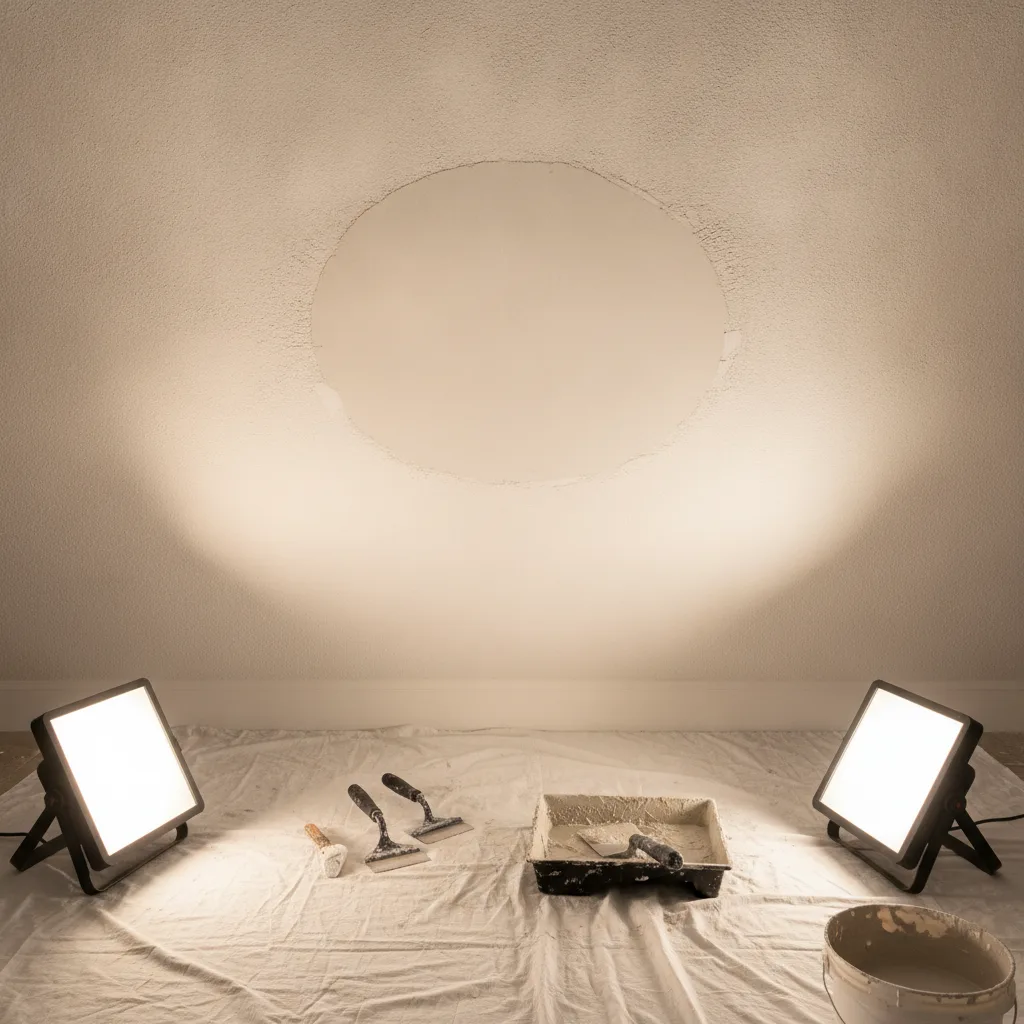
When removal is needed, controlled cuts are made to take out only affected sections. This opens the cavity so framing can dry properly. Wet insulation is typically removed as well. Our related read, Category 1 vs 2 vs 3 Water Damage Explained, explains why the water source matters.
The Drying Process
After the source is stopped and affected materials are removed, crews set up air movers and commercial dehumidifiers. Ceilings and walls can be tricky because water hides inside cavities, so equipment placement and monitoring matter. Readings are tracked until framing and remaining drywall reach acceptable levels. Flood Busterz provides structural drying and documents readings throughout.
After Drying: Repair or Rebuild
Once the structure is confirmed dry, the repair phase begins:
- New drywall is hung where sections were removed.
- Seams are taped, mudded, and sanded.
- Stain-blocking primer is applied to prevent old stains from bleeding through.
- Ceilings and walls are textured and painted to match.
- Insulation is replaced where needed.
The cause also needs a permanent fix, such as a roof repair or plumbing repair, so the damage does not return.
Central Kentucky Considerations
Spring storms and summer downpours make roof-related ceiling leaks common, and winter freeze-thaw cycles can damage pipes in exterior walls and attics. Humid summers can also slow drying inside wall and ceiling cavities, which is one reason monitored drying is important.
Insurance
Whether ceiling damage is covered depends on your policy and the cause of the leak. Sudden events are often treated differently than long-term leaks. Read your policy and ask your agent. See Does Kentucky Homeowners Insurance Cover Water Damage? Flood Busterz offers insurance assistance, including documentation of the damage and drying.
When to Call Flood Busterz
Call if a ceiling is sagging, a stain is growing, or you cannot find the source. Flood Busterz is licensed and insured, available 24/7, and offers free estimates across Central Kentucky. Call (859) 408-9611.
Questions people ask
Straight answers for Central Kentucky homeowners dealing with water damage.
Why does a ceiling water stain appear days after a leak?+
Water often travels along framing, pipes, and the top of drywall before soaking through at a low point. Attic insulation can absorb water and release it slowly. By the time a stain appears, moisture may have been present for hours or days, and the wet area above is often larger than the visible stain. A moisture inspection reveals the true extent.
When is drywall removal required versus drying in place?+
Drywall that was briefly exposed to clean water and remains firm can often be dried in place. Removal is usually needed when panels are sagging, soft, or delaminating, when insulation behind them is soaked, when water was contaminated, or when moisture has caused odors or mold. Controlled cuts remove only affected sections so the framing can dry properly.
How do restoration crews find hidden moisture above a ceiling?+
Crews use moisture meters to measure water in drywall and framing, thermal imaging cameras to spot temperature differences that suggest wet areas, and direct inspection of attics and cavities. Readings are recorded on a moisture map, which guides what to remove and where to place drying equipment. This prevents wet material from being hidden behind new paint.
Is a sagging water-damaged ceiling dangerous?+
Yes. Wet drywall loses strength, and a sagging ceiling may be holding a lot of water. It can collapse without warning. Keep people and pets out from underneath, turn off power to ceiling fixtures in that room if you can reach the breaker safely, move belongings if it is safe, and call a professional rather than poking or draining it yourself.
What happens after a water-damaged ceiling is dried?+
Once moisture readings confirm the structure is dry, removed drywall and insulation are replaced, and seams are taped, mudded, and sanded. A stain-blocking primer keeps old marks from bleeding through, then the ceiling is textured and painted to match. The original cause, such as a roof or plumbing issue, also needs a permanent repair.
Water in your home right now?
Licensed & insured water damage restoration across Lexington, Richmond, Nicholasville, and Central Kentucky. Extraction, drying, and restoration, day or night.