
Sump Pump Failure Flood Cleanup
Sump pump failed and your basement flooded? Learn what to do first, what water category to expect, insurance basics, and how pros dry a finished basement.
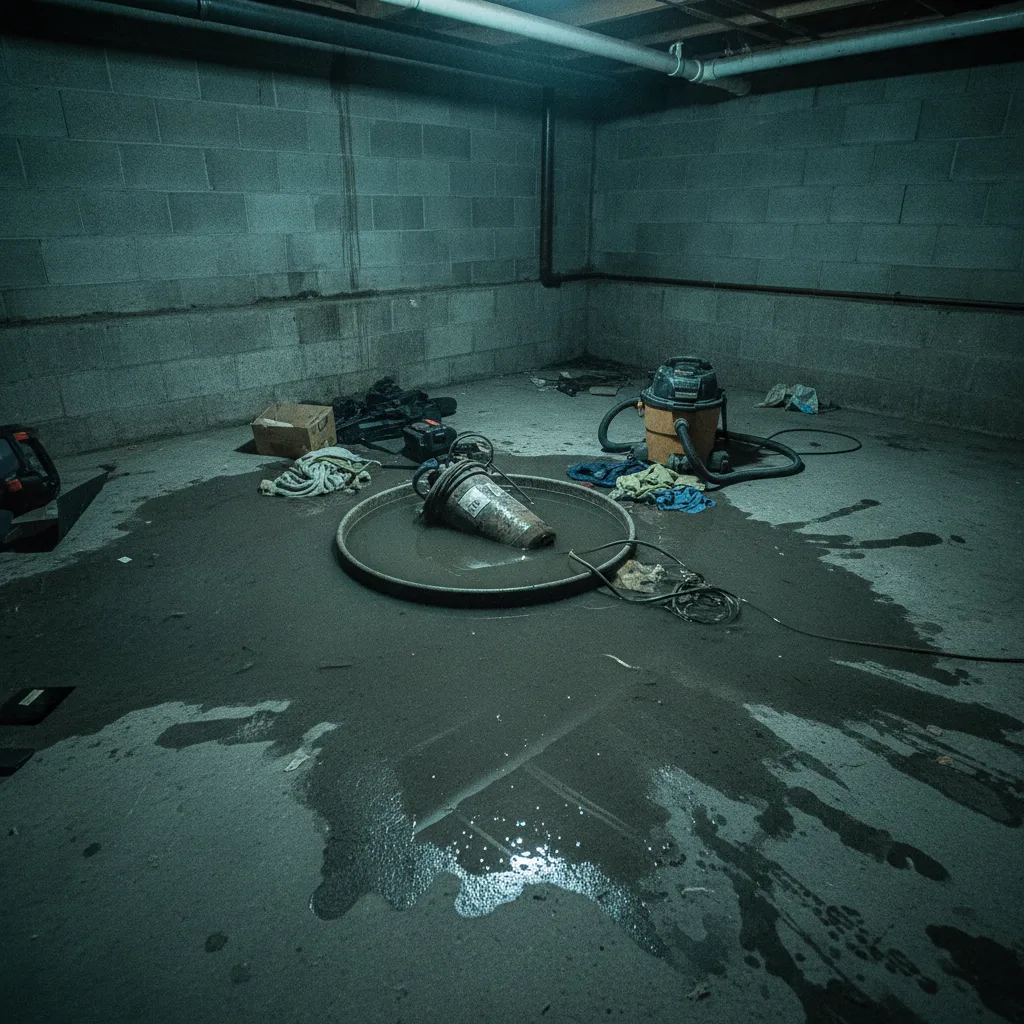
A sump pump is one of those appliances you never think about until it stops working. Usually that happens at the worst possible moment: during a heavy storm, when groundwater is rising fastest and the power is most likely to flicker. Within hours, a dry basement can have inches of water across the floor, soaking carpet, drywall, furniture, and stored belongings.
This page explains why sump pumps fail, what to do when it happens, how sump water is classified, what insurance usually looks at, and how professionals clean up and dry a basement after a sump failure. It is written for homeowners and property managers in Lexington and across Central Kentucky, including Richmond, Nicholasville, Georgetown, Winchester, Paris, Frankfort, and Bardstown.
What Happens When a Sump Pump Fails During Heavy Rain
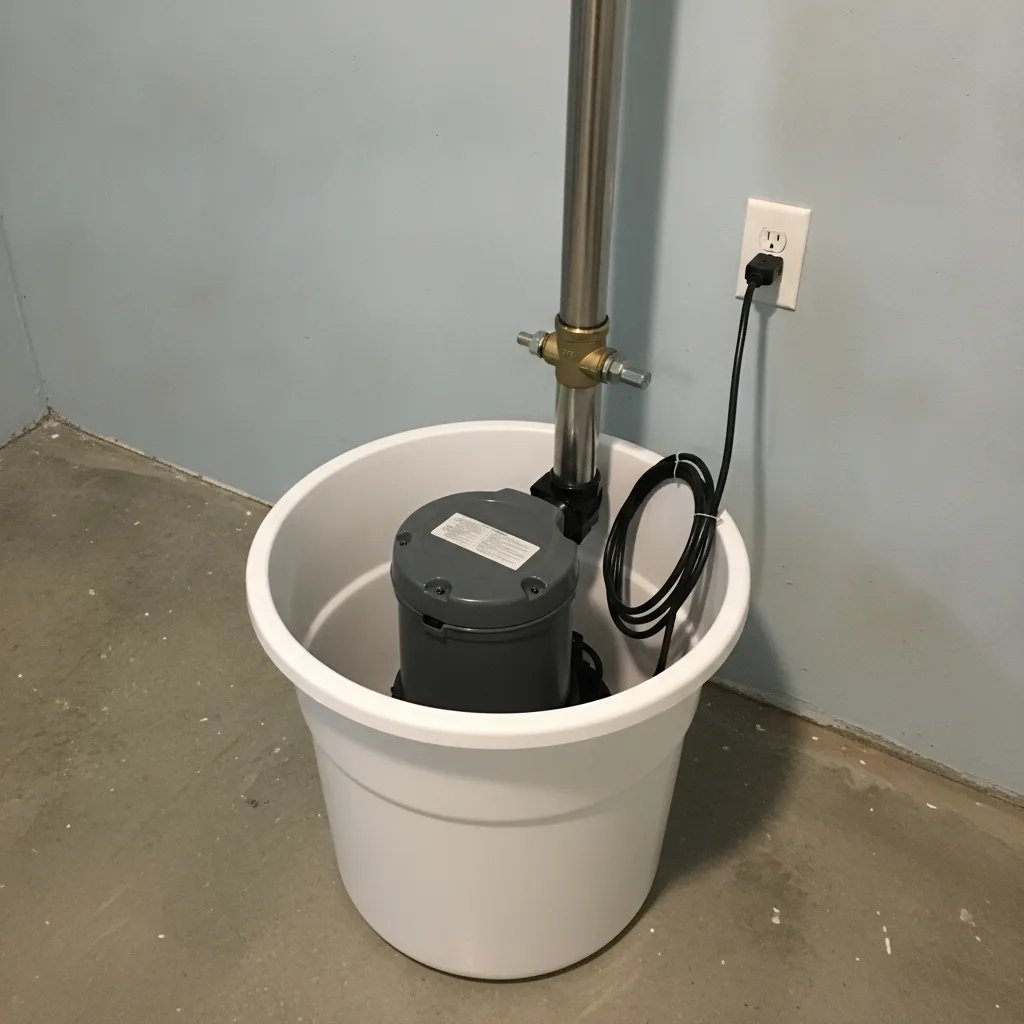
A sump pump sits in a pit at the lowest point of a basement or crawl space. Drain tile and groundwater feed water into the pit, and the pump pushes it out and away from the house. During a heavy rain, the pit can fill quickly and the pump may cycle constantly. If the pump stops, the pit overflows and water spreads across the floor. Because the soil around the foundation is already saturated, water can keep coming in for hours.
Common Reasons Sump Pumps Fail
- Power outages. Storms that bring heavy rain also knock out power. Without a battery or water-powered backup, the pump stops.
- Stuck or failed float switch. The switch that tells the pump to run can jam or wear out.
- Overwhelmed capacity. A pump may not keep up with an unusually heavy storm.
- Clogged intake or discharge line. Debris in the pit or a frozen, blocked, or disconnected discharge line can stop water from leaving.
- Age and wear. Motors and components wear out over time, often without warning.
- Improper installation. Incorrect sizing, a missing check valve, or a poorly placed pit can contribute to failure.
What to Do First
- Stay safe. Do not walk into standing water if outlets, cords, appliances, or the electrical panel may be in contact with it. Shut off power to the basement only if you can reach the panel from a dry location.
- Check the pump if it is safe. Sometimes a tripped breaker, unplugged cord, or stuck float is the issue. Do not handle a pump that is sitting in water while energized.
- Treat the water as potentially contaminated. Groundwater and storm runoff can carry soil, debris, and other contaminants.
- Document the damage. Take photos and video before moving or removing anything.
- Move belongings you can safely reach to a dry area.
- Call for professional cleanup. Flood Busterz is available 24/7 at (859) 408-9611.
For a complete checklist, see What to Do in the First Hour After Water Damage.
Is Sump Failure Flooding Category 1, 2, or 3?
It depends on where the water came from and how long it sat. Sump water is usually groundwater that has passed through soil, so it is rarely treated as perfectly clean. Many sump failures are handled as Category 2, gray water. If outdoor floodwater, sewage, or a drain backup is involved, or if the water has been sitting for an extended period, it may be treated as Category 3. A technician will assess the source and conditions on site. See Category 1 vs 2 vs 3 Water Damage Explained for details.
Should I Use a Shop Vac or Call Professionals?
A wet/dry vacuum can handle a small amount of water on a bare concrete floor in an unfinished basement, as long as the area is electrically safe. It is time to call a professional when:
- Water covers a large area or is more than a thin layer.
- Carpet, pad, drywall, or furniture got wet.
- The basement is finished.
- The water may be contaminated.
- You are unsure whether the space is electrically safe.
Shop vacs cannot remove water from carpet pad, inside walls, or under flooring, and they do not dry the structure. Hidden moisture is a common source of odors and mold weeks later.
How Professionals Dry a Finished Basement After a Sump Failure
Inspection and moisture mapping
Technicians identify the extent of water, check walls and flooring with moisture meters, and confirm the water category.
Extraction
Standing water is removed and carpet is extracted. Quick extraction limits how far water wicks into drywall and framing.
Removal of affected materials
For gray or black water, carpet pad and often carpet are removed. Drywall is commonly cut above the wet line, and wet insulation behind it comes out. Swollen baseboards, trim, and particleboard furniture may also be removed.
Cleaning and treatment
Affected surfaces are cleaned and treated before drying.
Structural drying
Commercial dehumidifiers and air movers are set up and adjusted as conditions change. Basements tend to be cool and humid, especially in Central Kentucky summers, so controlled drying matters.
Monitoring and documentation
Moisture readings are logged until materials reach acceptable levels, which supports insurance documentation and confirms the space is ready for repair.
Flood Busterz provides water extraction, flood cleanup, structural drying, and content restoration. For broader basement scenarios, see Basement Flood Cleanup in Central Kentucky.
Insurance and Sump Pump Failure
Many standard homeowners policies exclude water damage caused by sump pump overflow or water backup unless the policy includes a specific endorsement, often called water backup coverage. Limits on these endorsements vary. Read your policy and ask your agent. Our related read, Does Kentucky Homeowners Insurance Cover Water Damage?, explains the general concepts. Flood Busterz offers insurance assistance with documentation.
Preventing the Next Failure
- Test the pump periodically by pouring water into the pit.
- Consider a battery or other backup system.
- Keep the pit free of debris.
- Make sure the discharge line is clear and directs water away from the foundation.
- Have the pump inspected or replaced as it ages.
If the pump or plumbing needs work, Clog Busterz is part of the same Busterz family of brands.
When to Call Flood Busterz
Flood Busterz is licensed and insured, available 24/7, and offers free estimates across Central Kentucky. If your sump pump failed and water is spreading, call (859) 408-9611.
Questions people ask
Straight answers for Central Kentucky homeowners dealing with water damage.
What happens when a sump pump fails during heavy rain?+
When a sump pump stops during heavy rain, the pit fills and overflows, and groundwater spreads across the basement floor. Because the surrounding soil is already saturated, water can keep entering for hours. Carpet, drywall, stored items, and furniture can be soaked quickly. Power outages, stuck float switches, and blocked discharge lines are common causes of failure.
Is sump pump failure flooding Category 1, 2, or 3 water?+
Sump water is usually groundwater that has passed through soil, so it is often treated as Category 2, gray water. If outdoor floodwater, sewage, or a drain backup is involved, or the water has been sitting for a long time, it may be handled as Category 3. A technician confirms the category on site based on the source and conditions.
Does homeowners insurance cover sump pump failure water damage?+
Many standard homeowners policies exclude damage from sump pump overflow or water backup unless you have added a specific endorsement, often called water backup coverage. These endorsements usually have their own limits. Read your policy and ask your agent to confirm what applies. Flood Busterz can help document the damage and drying for your claim.
Should I use a shop vac or call professionals after a sump failure?+
A shop vac can handle a small amount of water on bare concrete if the area is electrically safe. Call professionals when water covers a large area, reaches carpet, drywall, or furniture, may be contaminated, or the basement is finished. Shop vacs cannot dry carpet pad, wall cavities, or subfloors, where hidden moisture causes later problems.
How do restorers dry a finished basement after a sump pump failure?+
Restorers inspect and map moisture, extract standing water, and remove materials that cannot be saved, often including carpet pad and the lower section of drywall and insulation. Surfaces are cleaned and treated, then commercial dehumidifiers and air movers dry the structure. Moisture readings are logged until materials reach acceptable levels before repairs begin.
Water in your home right now?
Licensed & insured water damage restoration across Lexington, Richmond, Nicholasville, and Central Kentucky. Extraction, drying, and restoration, day or night.